
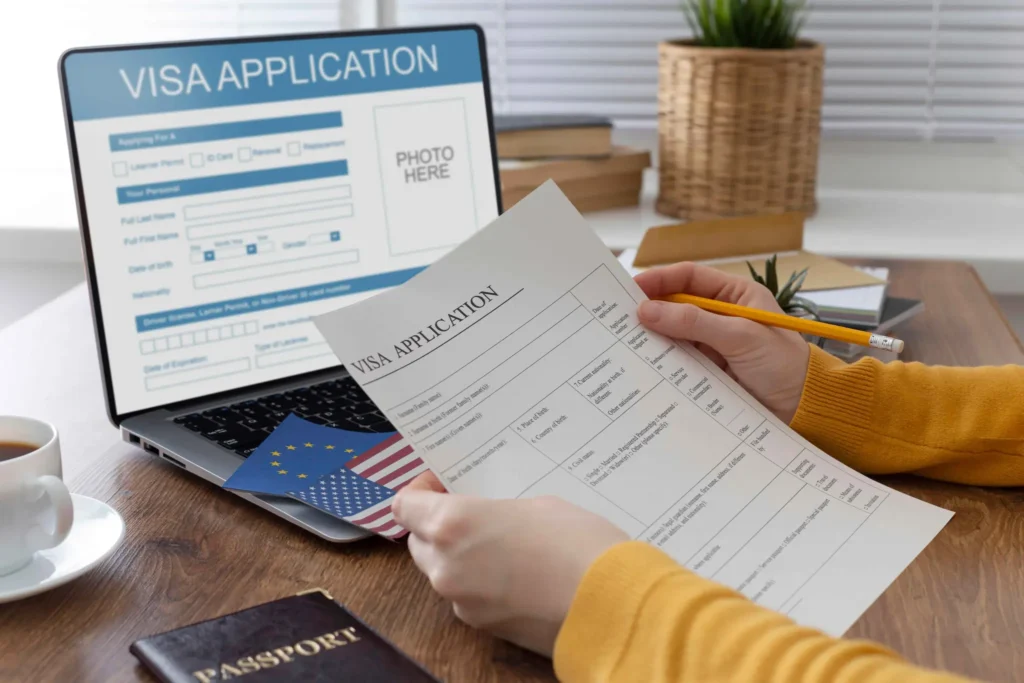
Applying for a study visa is a crucial step in the journey to studying abroad. Many students face visa refusals not because they are unqualified, but due to avoidable mistakes during the application process. Understanding these common errors can greatly improve your chances of success.
One of the most common mistakes is submitting incomplete or incorrect documents. Missing financial proofs, outdated forms, or incorrect personal details can lead to delays or rejection. Every document must be accurate, up to date, and well-organized.
A poorly written statement of purpose is another major issue. Many students fail to clearly explain why they chose a particular course, university, or country. Visa officers look for genuine study intent, clear goals, and logical career plans.
Failing to show enough financial resources is a frequent reason for visa refusal. Students must clearly demonstrate that they can cover tuition fees and living expenses for the duration of their studies. Unclear bank statements or unexplained funds can raise doubts.
Selecting a course that does not match your academic background or career goals can create suspicion. Visa officers may question your intentions if the study plan seems illogical or unrelated to your previous education.
Each country has specific visa rules, but many students do not follow them properly. Ignoring official guidelines, deadlines, or interview instructions can negatively affect the application.
Some students underestimate the importance of the visa interview. Nervousness, unclear answers, or lack of knowledge about the course and university can reduce confidence in your application.
Applying too late leaves little time to fix mistakes or provide additional documents if requested. Early preparation helps avoid stress and increases approval chances.
Most study visa rejections happen due to small but critical mistakes. With careful planning, honest documentation, and proper guidance, students can avoid these errors and improve their chances of visa success.

I’m Engr. Hamza Ali, an Electrical Engineer passionate about technology, education, and global learning opportunities.
ENGR.HAMZA ALI (DIRECTER OF ILM ORBIT)